

In a world where logos scream for attention, Maison Margiela speaks in whispers — letting its designs do the talking. Known for its deconstructed garments, anonymity, and conceptual approach, Margiela isn’t just a fashion brand — it’s a challenge to the very idea of what fashion should be.
Founded in Paris, Maison Margiela blurs the lines between fashion and art, between visible and invisible, between identity and mystery — and in doing so, it has become one of the most revered avant-garde houses in the world.
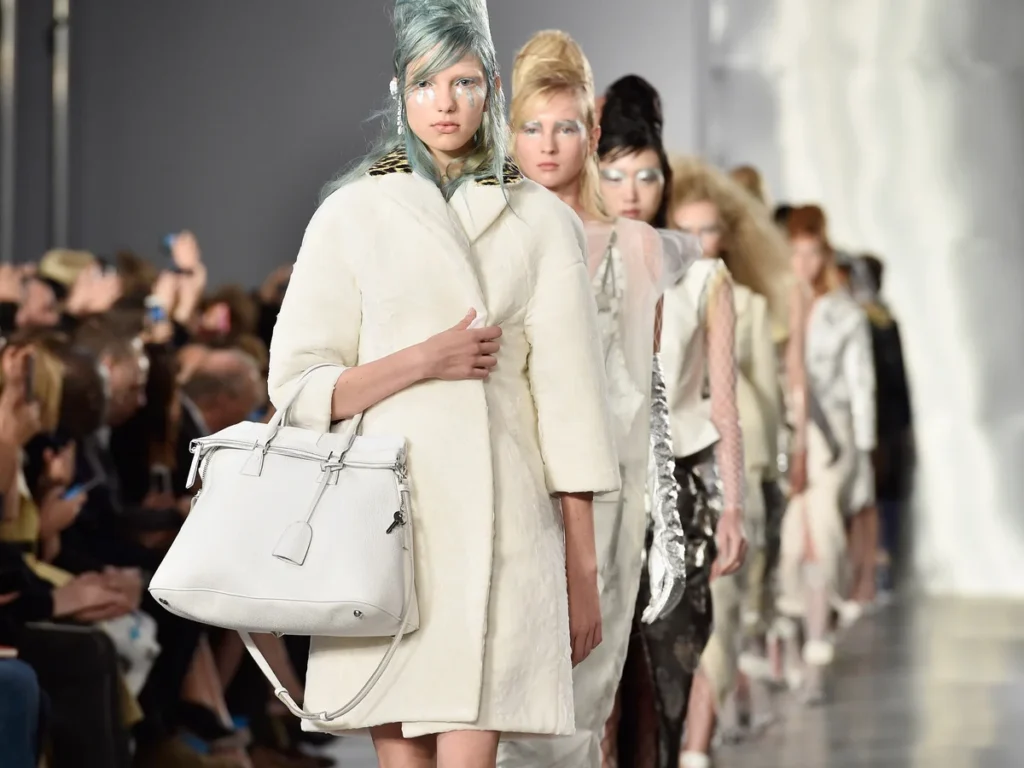
Table of Contents
The Origin: Martin Margiela’s Vision
Maison Margiela was founded in 1988 by the elusive Belgian designer Martin Margiela. A graduate of the Royal Academy of Fine Arts in Antwerp, he was part of the legendary “Antwerp Six,” but unlike others, Margiela avoided fame.
He rarely gave interviews, never took a bow after shows, and allowed the designs to speak for themselves.
His founding philosophy:
- Deconstruction: Showing inner seams, linings, and raw edges
- Reconstruction: Making new clothes from old garments
- Anonymity: No flashy logos — even the label is just a blank white tag with four stitches
- Gender-neutrality: Many of his pieces were early examples of unisex fashion
Signature Aesthetic
Maison Margiela’s clothing is known for its experimental, intellectual, and often surreal qualities.
Key design features:
- Inside-out or unfinished hems
- Visible stitching and labels
- Oversized silhouettes and distorted proportions
- Trompe l’oeil (optical illusion) prints
- Deconstructed tailoring (blazers made from trench coats, boots made from pumps)
- Tabi Boots – Their iconic split-toe shoes, inspired by traditional Japanese socks, first appeared in 1989 and remain a cult item.
Every piece has a message — whether it’s about identity, mass production, or the impermanence of beauty.
The Label and Its Numbering
Margiela doesn’t follow the traditional branding game. Instead of logos, every garment has a white label stitched with 4 white threads, showing numbers (0 to 23). Each number corresponds to a different line:
- 0 – Artisanal (Haute Couture)
- 1 – Women’s Collection
- 10 – Men’s Collection
- 22 – Shoes
- 11 – Accessories
- 14 – Timeless basics
- etc.
The circled number on the tag tells you which category the piece belongs to — minimalist, genius, and anti-corporate all at once.
Current Creative Direction: John Galliano
In 2014, fashion icon John Galliano took over as Creative Director. Known for his theatricality at Dior and Givenchy, Galliano brought his romantic drama into the Margiela universe — while still respecting its conceptual DNA.
Under Galliano, Maison Margiela has become more narrative, poetic, and emotionally rich — without losing its avant-garde edge.
Some of his standout works include:
- The Artisanal collections (handmade, couture-level fashion)
- Digital distortion tailoring (pieces that look warped like a photo glitch)
- Gender-fluid silhouettes and cyberpunk aesthetics
Cultural Influence and Celebrities
Margiela has inspired generations of designers — from Vetements to Y/Project. Its pieces are often worn by those who appreciate subtle genius over loud branding.
Famous fans include:
- Kanye West (he wore Margiela masks on his Yeezus tour)
- Rihanna
- Zendaya
- Tilda Swinton
- A$AP Rocky
- BTS’s RM and V
Even when you don’t realize it, Margiela’s influence can be seen across streetwear, minimalism, and even DIY fashion.
Maison Margiela Fragrances
In 2012, the brand launched its “Replica” fragrance line — perfumes that capture moments and moods like:
- Jazz Club
- By the Fireplace
- Lazy Sunday Morning
- Beach Walk
With their simple, typewritten labels and memory-driven concept, these scents became wildly popular in both niche and mainstream markets.
Retail & Global Presence
You won’t find over-the-top flagship stores. Maison Margiela’s spaces are clinical, white, and experimental — reflecting the brand’s stripped-down vision.
The brand is owned by OTB Group (which also owns Diesel, Marni, and Jil Sander), and its collections are sold through top retailers like:
- SSENSE
- Net-a-Porter
- Dover Street Market
- Selfridges
Conclusion: Fashion’s Silent Genius
Maison Margiela doesn’t shout. It whispers — but every whisper feels like a revolution.
Whether it’s in the form of a frayed jacket, a split-toe boot, or a blank label, the brand forces you to think about how clothes are made, what they mean, and how we express identity through fashion.
In an industry driven by hype and trends, Margiela is the quiet genius that redefines the rules — only to break them again.